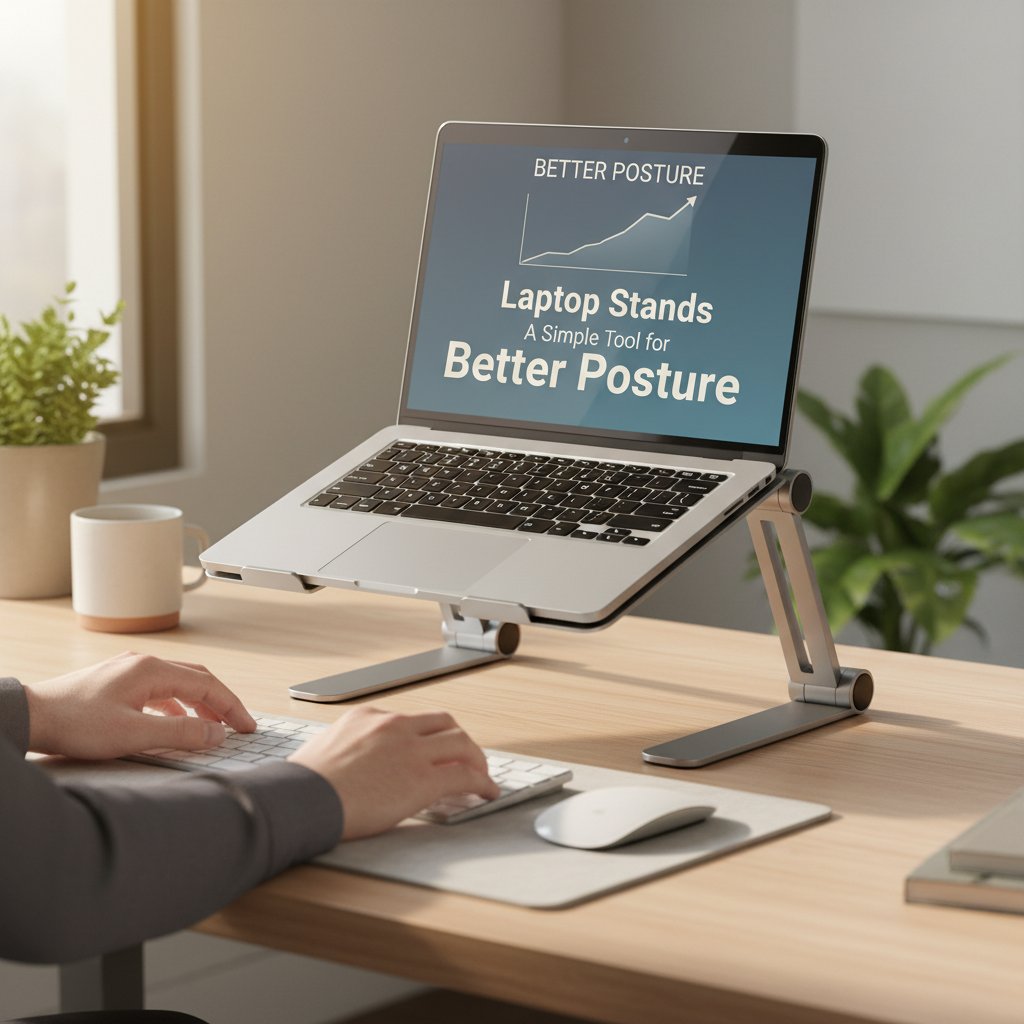
The Best Mouse for Carpal Tunnel Prevention

Hey everyone! You know, I was just thinking the other day about how much time we all spend in our offices, whether it’s a bustling corporate space, a cozy home nook, or even a hybrid setup. I remember when I first started out, my desk was a chaotic pile of papers and half-finished coffee mugs. I used to feel so overwhelmed just looking at it! It made me realize that the “office” isn’t just a place; it’s a huge part of our daily lives, influencing our mood, our productivity, and even our overall well-being. Over the years, I’ve picked up a few things that have really helped me transform my own office environment from a source of stress into a space where I can truly thrive and feel good about my work. I wanted to share some of these discoveries with you all, because I think creating a positive office experience is something we all deserve.

Creating Your Sanctuary: The Physical Office Environment
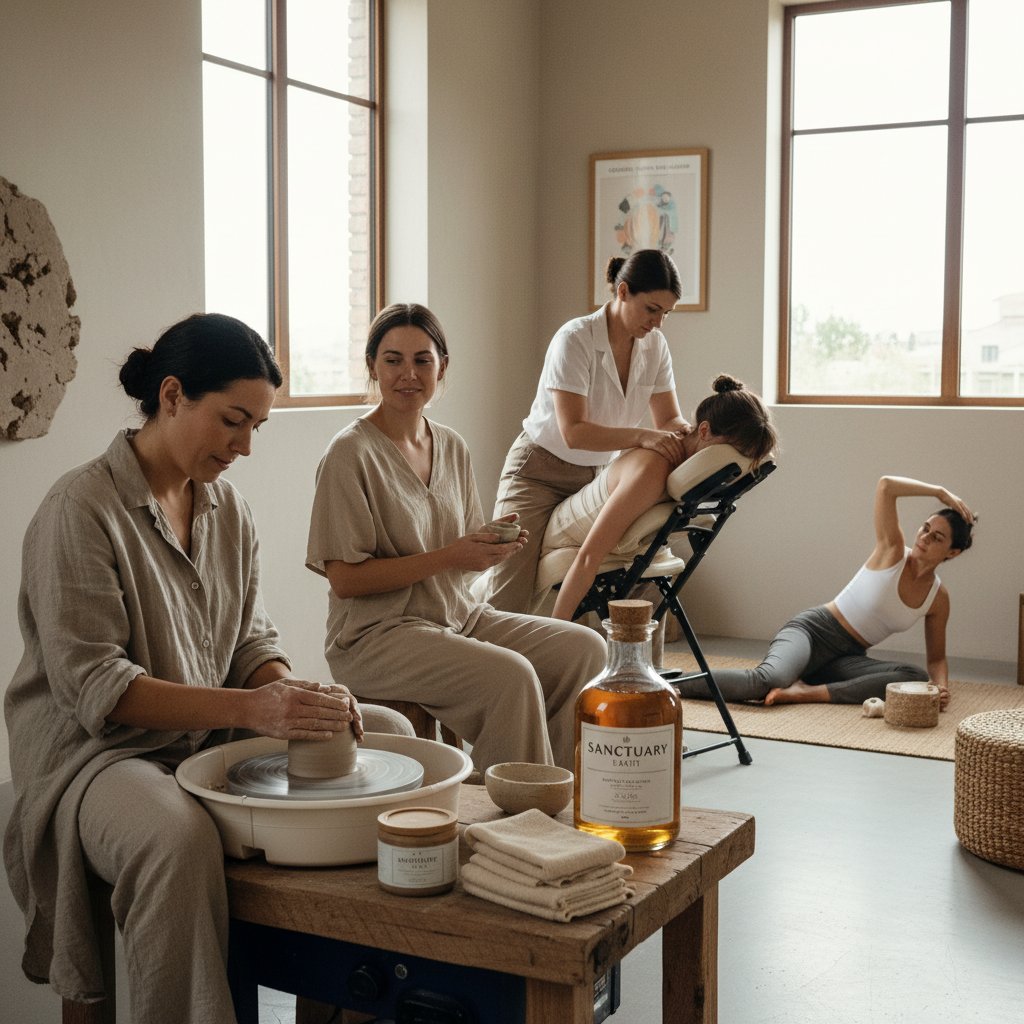
First things first, let’s talk about the physical space. It might seem obvious, but a tidy and organized office environment can make a world of difference. For me, it was about decluttering. I started by getting rid of anything I hadn’t used in months. Those old notebooks, random pens that didn’t work, ancient sticky notes – out they went! It’s amazing how much mental clutter disappears when your physical space is clear. I also found that investing in a few simple organizational tools, like a good file sorter or some drawer dividers, helped keep things from piling up again. It’s not about being a minimalist, but about having a functional, calming office environment.
Beyond tidiness, consider making your office space truly yours. I added a small plant to my desk – just a little succulent, but it brings a touch of nature and calm. A framed photo of loved ones, a comfortable chair, or even a lamp with warm lighting can transform a sterile space into something more inviting. Think about ergonomics too! I learned the hard way that a poorly set up desk can lead to aches and pains. Adjusting my monitor height, getting a supportive chair, and making sure my keyboard and mouse were at a comfortable level significantly improved my daily office routine and comfort.
Boosting Your Office Productivity
Once your space feels good, the next step is to think about how you actually work within it. For me, a big part of improving my office productivity has been about managing distractions. We live in a world of constant notifications, don’t we? I started experimenting with “focus blocks” where I’d turn off all non-essential notifications for an hour or two and just dive deep into a task. It wasn’t easy at first, but the quality and speed of my work improved dramatically. It’s incredible how much you can get done when you’re not constantly pulled in different directions.
Another tip I picked up for boosting my office productivity is to tackle the most challenging task first thing in the morning. I used to save the hard stuff for later, but it would just loom over me all day. Now, I try to get that big, intimidating task out of the way when my energy and focus are at their peak. It gives me a huge sense of accomplishment and makes the rest of the day feel lighter. And don’t forget the power of short breaks! Stepping away from your desk for five minutes, stretching, or grabbing a glass of water can actually reset your focus and improve your overall office productivity.

Navigating the Social Landscape: People and Culture

The “office” isn’t just about desks and tasks; it’s also about the people we interact with. A positive social office environment can make even the toughest days feel manageable. I’ve found that simply being approachable and friendly goes a long way. A quick “good morning” or a genuine question about someone’s weekend can build bridges. I’m not saying you need to be best friends with everyone, but fostering a respectful and supportive atmosphere makes the entire office environment more enjoyable for everyone involved.
Communication is key here too. I’ve learned that clarity and kindness in communication prevent so many misunderstandings. If I’m unsure about something, I ask. If I need to give feedback, I try to do it constructively and privately. It’s all about creating an office environment where everyone feels heard and valued. I remember one time, a small miscommunication led to a lot of wasted effort. Ever since, I try to over-communicate rather than under-communicate, especially when it comes to projects and deadlines. This proactive approach really helps maintain a harmonious office environment.
Mastering Your Daily Office Routine
Having a predictable daily office routine can be incredibly grounding. It doesn’t mean every day has to be identical, but having a general flow helps reduce decision fatigue and ensures important things don’t fall through the cracks. For me, my routine starts with planning my top three priorities for the day before I even open my email. This helps me stay focused on what truly matters and improves my office productivity.
I also try to build in specific times for checking emails and responding to messages, rather than letting notifications dictate my day. This way, I’m in control of my time, not my inbox. And speaking of routines, don’t forget to build in movement! Even if it’s just standing up and stretching every hour, or taking a short walk during lunch, it makes a huge difference to both physical comfort and mental clarity. A good daily office routine also includes a wind-down period at the end of the day, where I review what I’ve accomplished and plan briefly for tomorrow, so I can leave the office feeling complete, not rushed.

Finding Harmony: Achieving Work-Life Balance

Perhaps one of the biggest challenges in today’s world is achieving a healthy work-life balance, especially when your office might be just a few steps from your living room. It’s so easy for the lines to blur, isn’t it? I’ve found that setting clear boundaries is absolutely essential. This means defining a “start” and “end” time for my workday and sticking to them as much as possible. It’s not always perfect, but having that intention helps a lot. When I “close” my office for the day, I try to mentally and physically disconnect. Sometimes that means closing the laptop, or even just turning off the office light if I’m at home.
Another thing that’s helped me with work-life balance is scheduling non-work activities. Just as I schedule meetings, I also schedule time for hobbies, exercise, or spending quality time with family and friends. These are just as important for my overall well-being and actually help recharge me, making me more effective when I am in the office. It’s a bit like creating a container for work so it doesn’t spill over into every other part of your life. This dedication to work-life balance ensures that my time in the office is productive, but also that I have a rich and fulfilling life outside of it.
These are some of my experiences, and I really hope they bring you some inspiration as you think about your own office and how you interact with it. It’s a continuous journey of adjustment and discovery, but by being intentional about our physical space, our habits, our interactions, and our work-life balance, we can truly transform our office experience for the better. What do you think? Have you found any particular strategies that have made a big difference in your office life?