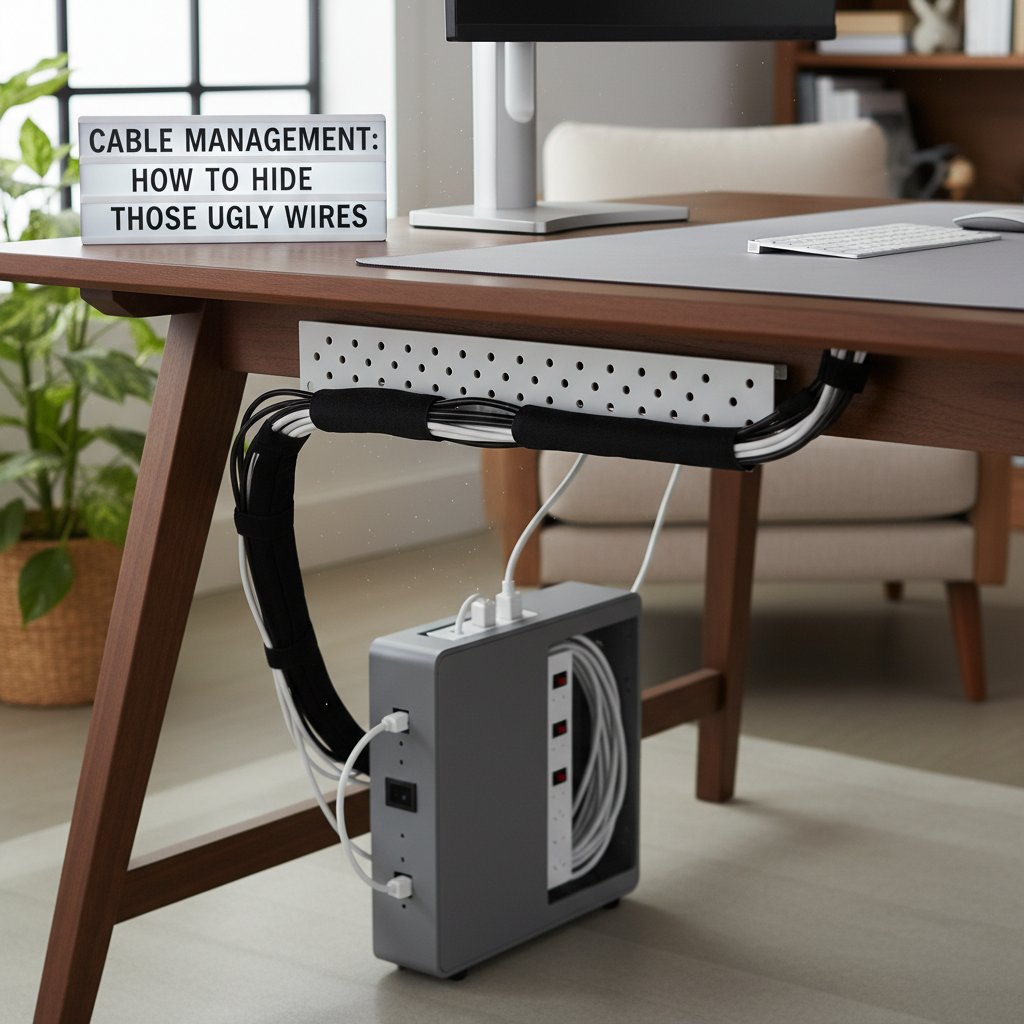
Cable Management How to Hide Those Ugly Wires
Hey everyone, you know how sometimes it feels like our phones, tablets, and computers are constantly vying for our attention? Like we’re always ‘on’ and connected, and it’s hard to just… unplug? I’ve definitely felt that pull, and I know many of you have too. It’s a funny thing, this everyday tech we rely on so much. It promises to make our lives easier, more efficient, and more connected, and often it does! But sometimes, I find myself wondering if I’m really in control of my smart devices, or if they’re subtly controlling me. It’s a balancing act, isn’t it? Finding that sweet spot where tech genuinely enhances our lives without overwhelming them, and fostering healthy tech habits for better digital well-being.

Navigating the Everyday Tech Landscape

It’s incredible how much our lives have transformed with the advent of so much amazing everyday tech. From checking the weather and ordering groceries to staying in touch with loved ones across the globe, our smart devices have become indispensable. I remember a time not so long ago when having a map in your pocket was a folded piece of paper, and calling someone meant finding a payphone! Now, we have powerful computers in our hands that do so much more. But with all that power and convenience comes a little bit of a challenge: managing it all so it serves us, rather than the other way around.
I recently had a moment where I realized just how much my phone was dictating my day. Every ping, every notification, felt like an urgent demand for my attention. I was trying to focus on a personal project, and it felt like I was constantly being pulled away. It wasn’t just work notifications; it was social media updates, news alerts, even reminders from apps I barely used! It made me think about how these constant interruptions chip away at our focus and, honestly, our peace of mind. This made me really start thinking about my digital well-being.
Taming Notification Overload
One of the biggest culprits for feeling overwhelmed by everyday tech is notification overload. Our smart devices are designed to grab our attention, and they’re incredibly good at it! But we don’t have to let every single alert interrupt our flow. A simple thing I started doing was going through my app settings and turning off notifications for anything that wasn’t absolutely essential. Do I really need to know the moment someone likes a post from three days ago? Probably not. I kept notifications on for messages from close family and friends, important work communications, and a couple of truly useful utility apps. Everything else got muted or turned off completely.
It was a small change, but the impact on my digital well-being was huge. Suddenly, my phone felt like a tool I used when I wanted to, not a demanding boss. I felt more in control, and my focus improved dramatically. I encourage you to try it! Take 15 minutes and go through your settings. You might be surprised by how many apps are trying to get your attention unnecessarily.

Cultivating Mindful Tech Habits

Beyond just notifications, it’s about developing a more mindful approach to how we interact with our everyday tech. It’s about being intentional. Instead of mindlessly scrolling, can we ask ourselves, “Why am I picking up my phone right now?” Or, “What am I hoping to achieve with this smart device?” This shift in perspective can truly transform our relationship with technology and improve our digital well-being.
Creating Digital Boundaries
Another powerful strategy is setting clear digital boundaries. Just like we have boundaries in our relationships with people, we need them with our tech. For me, this means no phones at the dinner table. It’s a simple rule, but it makes a world of difference for connecting with my family. We put our smart devices away, and we actually talk and listen to each other without the constant temptation of a glowing screen. I also try to have a “no-phone zone” in my bedroom, especially an hour before bed. Reading a physical book or just unwinding without the blue light exposure has done wonders for my sleep.
Think about areas in your life where you’d like more presence and less distraction. Maybe it’s during your morning coffee, while you’re exercising, or when you’re spending time outdoors. Designate those times or places as tech-free zones. It might feel a little strange at first, almost like you’re missing something, but soon you’ll start to appreciate the quiet and the ability to fully immerse yourself in the moment.
The Power of Intentional Disconnection
Embracing intentional disconnection is vital for our digital well-being. This isn’t about ditching tech entirely, but about choosing when and how we engage with it. Sometimes, I’ll purposely leave my phone in another room while I’m doing chores or working on a hobby. Other times, I’ll go for a walk without it. It’s amazing how much more observant you become when you’re not constantly checking for updates. You notice the birds singing, the interesting architecture, or simply the feeling of the sun on your face. These small breaks from our smart devices allow our minds to wander, to be creative, and to simply be present. It helps us recharge and come back to our everyday tech with fresh eyes and a renewed sense of purpose.

Making Tech Work for You, Not Against You
Ultimately, the goal isn’t to demonize everyday tech, but to reclaim our agency. These smart devices are incredible tools, and when used thoughtfully, they can genuinely enrich our lives. It’s about figuring out how to integrate them in a way that aligns with our values and goals, rather than letting them dictate our every move. It’s about developing strong tech habits that serve our overall digital well-being.
Curating Your Digital Environment
Just like we tidy up our physical spaces, we can also tidy up our digital ones. Take a moment to look at the apps on your phone or tablet. Do you use all of them? Are there old ones gathering “digital dust” that you can delete? Unsubscribe from newsletters you never read. Organize your files and photos. A decluttered digital environment can reduce mental clutter and make your everyday tech experience much more pleasant and efficient. I found that having fewer apps on my home screen meant less temptation to open them aimlessly.
Think of your digital space as a garden. You wouldn’t let weeds take over, right? Regularly prune and nurture what’s useful and beautiful, and remove what’s no longer serving you. This helps ensure that your tech habits are healthy and productive.
Leveraging Tech for Good
On the flip side, let’s remember all the incredible ways everyday tech can enhance our lives! Use it to learn new skills, connect with communities that uplift you, track your fitness goals, or explore new hobbies. I love using an app to learn a new language for a few minutes each day, or to discover new music. The key is to be intentional about how you’re using your smart devices. Instead of letting them be a source of distraction, make them a source of growth and joy. When we approach tech with this mindset, it becomes a powerful ally in living a more fulfilling life, greatly contributing to our digital well-being.
I hope these thoughts about navigating our relationship with everyday tech bring you some inspiration. It’s a journey, not a destination, and we’re all figuring it out together. What are some of your favorite tech habits or strategies for maintaining your digital well-being? I’d love to hear your experiences!