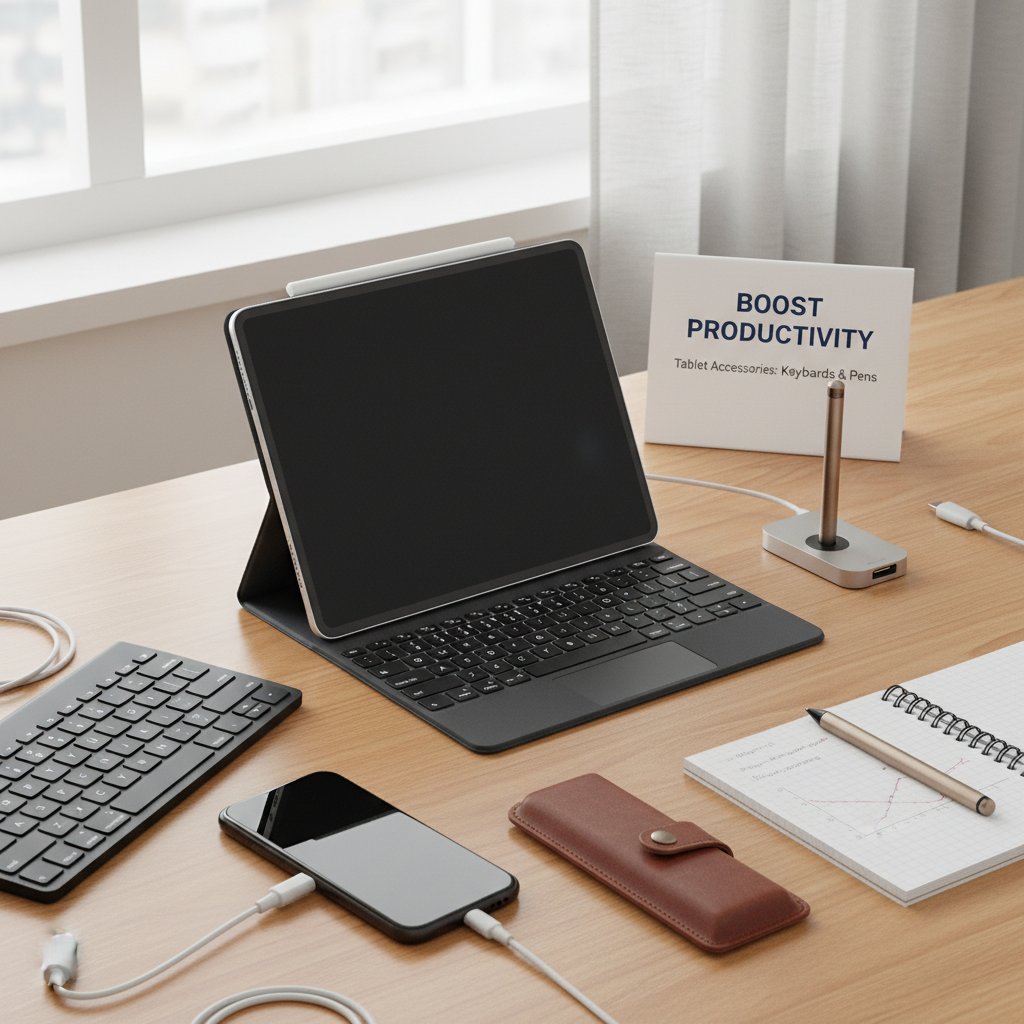
Tablet Accessories Keyboards and Pens to Boost Productivity
It’s truly remarkable how much technology has woven itself into the fabric of our daily existence. What started as tools for specific tasks has evolved into an integral part of nearly everything we do, from how we work and learn to how we connect with loved ones and even relax. For many of us, our everyday tech isn’t just about gadgets; it’s about the invisible threads that hold much of our digital life together. I’ve been giving a lot of thought lately to how we can truly make this relationship beneficial, ensuring that our devices and platforms serve us well, rather than the other way around. It’s about finding that sweet spot, cultivating smart habits to achieve a genuine tech balance in a world that’s constantly buzzing with new innovations and notifications.

Embracing the Best of Our Everyday Tech
I remember a time when a new piece of technology felt like a novelty, something exciting to explore. Now, it often feels like a necessity, seamlessly integrating into our routines. And honestly, there’s so much good that comes from it! Think about how much easier life has become for so many of us thanks to thoughtful design and connectivity. I’ve personally seen how a simple smart speaker can help a friend with mobility issues stay connected and manage their home, or how video calls have bridged distances for families scattered across the globe. That’s the beauty of well-applied everyday tech – it empowers us.
For me, one of the biggest benefits has been in streamlining those little tasks that used to eat up so much time. Using a shared calendar with my family, for instance, has cut down on so much confusion. Or, the way certain apps can help track my fitness goals or manage my budget – these aren’t just fancy features; they’re practical aids that free up mental space for other things. It’s about leveraging these tools to enhance our capabilities, not just to consume content. When we approach our digital life with an intention to improve, we start to see how much potential these tools truly hold.
Connecting and Learning Through Technology
Beyond personal organization, I’m constantly amazed by the ways technology fosters connection and learning. I’ve joined online communities centered around hobbies, discovered new skills through tutorials, and even reconnected with old friends I thought I’d lost touch with. The internet, at its best, is a vast library and a global coffee shop all rolled into one. It’s a powerful reminder that our devices aren’t just screens; they’re portals to new experiences and relationships. It’s all about choosing to engage with the positive aspects and actively seeking out communities and resources that uplift and educate.

Cultivating Smart Habits for a Healthier Digital Life

Of course, with all this incredible access comes the challenge of managing it. We’ve all felt that pull, haven’t we? That urge to check our phones just one more time, or to scroll endlessly. This is where cultivating smart habits becomes absolutely crucial. It’s not about ditching technology entirely – that’s often unrealistic in our modern world – but about being mindful and intentional with how we use it. I’ve found a few strategies that have really helped me.
- Scheduled Check-ins: Instead of constantly reacting to notifications, I try to set specific times to check emails and messages. This helps me focus on tasks without constant interruption. It’s a small shift, but it makes a huge difference in productivity and mental clarity.
- Digital Decluttering: Just like our physical spaces, our digital environments can get cluttered. Deleting unused apps, unsubscribing from newsletters I don’t read, and organizing files can make my everyday tech feel much more manageable and less overwhelming.
- Mindful Consumption: Before I open an app or click a link, I try to pause and ask myself, “Why am I doing this? Is it serving a purpose, or am I just reacting?” This simple question helps me be more intentional and avoid falling into mindless scrolling.
Setting Boundaries with Our Devices
One of the most impactful changes I’ve made is setting clear boundaries. For example, I have a “no phones at the dinner table” rule, and I try to keep my bedroom a screen-free zone, especially an hour or so before bed. It allows for genuine connection with family and friends, and it significantly improves my sleep quality. It’s about recognizing that while everyday tech offers convenience, it shouldn’t intrude on moments that truly matter. These boundaries are key to achieving a healthy tech balance.

Finding Your Tech Balance in a Connected World

Ultimately, achieving a good tech balance is a very personal journey. What works for one person might not work for another, and that’s perfectly okay. The goal isn’t perfection, but progress. It’s about being honest with ourselves about how our digital life is impacting our well-being and making adjustments as needed. Sometimes, it means embracing a new piece of everyday tech that genuinely solves a problem, and other times, it means consciously stepping away from a device for a while.
I’ve had moments where I realized I was spending too much time passively consuming content, and not enough time actively creating or connecting in person. Those moments are valuable wake-up calls. They remind me to re-evaluate my smart habits and perhaps try a “digital detox” weekend, or simply commit to reading a physical book instead of scrolling on my tablet. It’s an ongoing conversation we have with ourselves and with the technology around us.
Think about it: are your devices truly enhancing your life, or are they sometimes adding to your stress or distraction? There’s no right or wrong answer, but simply asking the question can be the first step towards a more harmonious relationship with your digital tools. We have the power to shape our interaction with technology, rather than letting it shape us. It’s about being the conductor of our own digital orchestra, choosing which instruments to play and when.
I hope these thoughts give you a few ideas to ponder as you navigate your own relationship with technology. We’re all in this together, learning and adapting to this incredibly fast-paced world. What are some of your own strategies for making tech work for you?
These are some of my experiences, hope they bring you some inspiration.