Wireless Freedom Best Noise Canceling Headphones for Travel

Hey everyone, have you ever stopped to think about how much our lives have transformed because of the little gadgets and digital tools we use every single day? It’s pretty wild, right? From the moment we wake up to the sound of our smart alarm to winding down with a streaming service, everyday tech has woven itself so deeply into the fabric of our existence. I’ve been pondering this a lot lately, reflecting on how we can really make this incredible technology work for us, instead of sometimes feeling overwhelmed by it. It’s not about rejecting innovation, but about finding a sweet spot where our digital lives genuinely enhance our real ones. I truly believe that by cultivating mindful tech habits, we can unlock a more balanced and joyful approach to our increasingly connected world.

Embracing Everyday Tech Mindfully
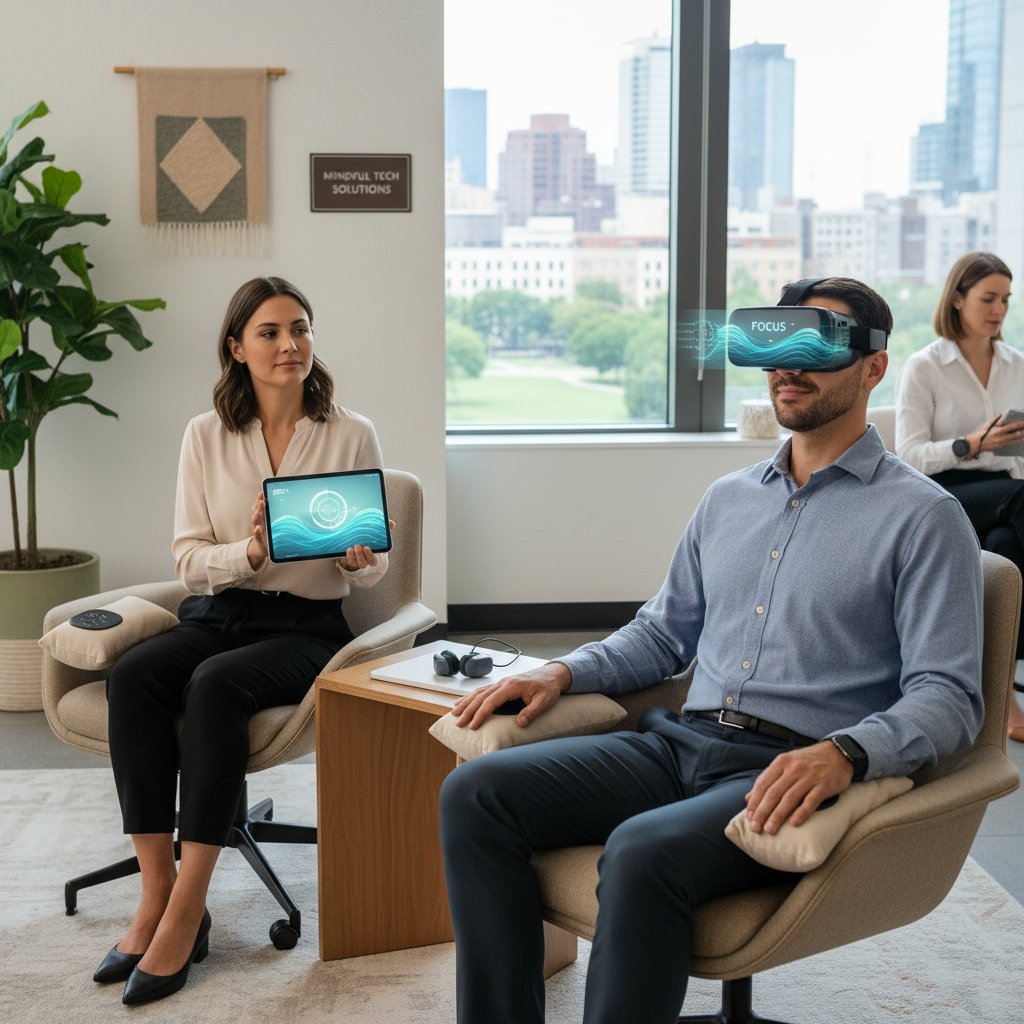
You know, it’s easy to get caught up in the constant chase for the “next big thing” in technology, but sometimes, the real magic lies in how we integrate the tools we already have into our routines. I often find myself looking for ways to simplify rather than complicate. For instance, think about how many small tasks you do each day. Could a simple voice assistant help you set reminders for groceries, or play your favorite podcast while you’re getting ready? These aren’t groundbreaking uses, but they contribute to a smoother, more organized day, which I call smart living. It’s about leveraging what’s available to free up mental space for things that truly matter.
The Joy of Smart Living
I remember a while back, I felt like my phone was ruling my mornings. I’d grab it, scroll through emails, and suddenly an hour had vanished before I even had breakfast. It wasn’t a great start to the day! A friend suggested I try leaving my phone outside the bedroom and using a regular alarm clock. It felt a bit old-school at first, but honestly, it was a game-changer. Now, my mornings are slower, more intentional. I get to enjoy my coffee, read a book, or just sit in quiet reflection before diving into the digital world. This small shift with my everyday tech has dramatically improved my morning routine, fostering a sense of calm and control.
Another area where I’ve found immense benefit is in using technology to streamline household chores. Setting up smart plugs for lamps, or having a robot vacuum run while I’m out, might seem like minor conveniences, but they add up. They give me back precious time and energy, allowing me to focus on hobbies or spending time with loved ones. It’s not about being lazy; it’s about being smart with the resources we have to create a more enjoyable home environment. This is the essence of smart living – making technology serve our lives, not the other way around.
Simple Tech Habits for a Better Day
So, what are some practical tech habits we can adopt? Here are a few things I’ve tried that might resonate with you:
- Designate “No-Tech” Zones: My dining table is a phone-free zone. It encourages real conversation during meals.
- Schedule “Digital Downtime”: I try to put my phone away an hour before bed. It really helps with winding down and getting better sleep.
- Curate Your Notifications: Do you really need an alert for every single email or social media like? I’ve turned off most non-essential notifications, and it’s amazing how much quieter my mind is.
- Use Tech for Good: Explore apps that help with meditation, learning a new language, or tracking your fitness goals. These are examples of everyday tech used intentionally for self-improvement.
These little adjustments, these conscious tech habits, don’t require fancy gadgets. They’re about being intentional with the tools already at our fingertips.

Finding Your Digital Wellness Balance

Speaking of intentionality, let’s talk about digital wellness. It’s a concept that has become increasingly important to me. In a world where we’re constantly bombarded with information and connectivity, finding a healthy balance is crucial for our mental and emotional well-being. It’s not about going completely off-grid, but about being aware of how our interactions with technology impact us.
Setting Boundaries with Your Devices
One of the biggest lessons I’ve learned is the importance of setting boundaries. It’s like drawing a line in the sand, saying, “This far, and no further.” For me, that means not checking work emails after a certain hour, or consciously choosing to leave my phone in another room when I’m focusing on a creative project. These boundaries aren’t always easy to maintain, especially when our devices are designed to be so engaging, but they are vital for protecting our peace of mind. Think about it: when was the last time you truly felt disconnected and present in the moment without the subtle pull of your phone in your pocket?
Another powerful boundary involves managing screen time. Many devices now offer built-in tools to monitor and limit usage. I’ve found these incredibly helpful, not necessarily to rigidly restrict myself, but to simply be aware. Seeing a weekly report of my screen time often gives me a gentle nudge to reconsider how I’m spending my digital hours. It’s all part of fostering good tech habits and promoting overall digital wellness.
Rediscovering Real-World Connections
While technology connects us across distances, it can sometimes create a barrier in closer proximity. I’ve made a conscious effort to put my phone away when I’m with friends or family. It’s a small gesture, but it signals presence and respect, and it truly enriches those real-world interactions. There’s nothing quite like a genuine, uninterrupted conversation or a shared laugh without the distraction of a glowing screen.
Embracing the outdoors, engaging in hobbies that don’t involve screens, or simply enjoying quiet reflection are all excellent ways to boost our digital wellness. It’s about remembering that while technology is a fantastic tool, life’s richest experiences often happen offline.

Peeking into Future Tech and What It Means for Us

It’s also incredibly exciting to think about what’s next! The pace of innovation means that what we consider everyday tech today might seem primitive tomorrow. From advancements in wearable devices that monitor our health with incredible precision, to the potential of smart homes that anticipate our needs, the future is brimming with possibilities. I find it fascinating to imagine how these innovations will continue to shape our lives, and how we’ll adapt to them.
What’s Next on the Horizon?
When I think about future tech, my mind often goes to things like personalized health tech that can give us real-time insights into our bodies, or truly immersive virtual experiences that could transform education or entertainment. It’s not just about faster processors or bigger screens anymore; it’s about technology becoming more intuitive, more integrated, and perhaps even more invisible in our daily lives. Imagine a world where your environment seamlessly adjusts to your preferences, or where learning new skills becomes as natural as having a conversation.
Of course, with all this innovation comes the responsibility to think about its impact. How will these advancements affect our privacy, our jobs, and our social interactions? These are big questions, and they’re important ones to consider as we move forward. Staying informed and having conversations about these topics is key to ensuring that future tech benefits everyone.
Staying Curious and Adaptable
My advice for navigating this ever-evolving landscape? Stay curious! Don’t be afraid to try new things, but always with an eye toward how they genuinely improve your life and contribute to your smart living goals. Read up on emerging trends, listen to podcasts, and engage in discussions about what’s coming next. But also, remember the core principles of balance and intentionality. The goal isn’t to adopt every new gadget, but to thoughtfully integrate what truly serves you.
Cultivating good tech habits now will undoubtedly prepare us for whatever the future holds. It teaches us discernment and helps us build a resilient mindset in a rapidly changing world.

I hope these thoughts on embracing everyday tech, prioritizing digital wellness, and thinking about future tech have given you some food for thought. It’s a journey, not a destination, and we’re all learning as we go. The key, I believe, is to approach technology with an open mind and a thoughtful heart, always asking ourselves: “How can this tool genuinely make my life, and the lives of those around me, better?”
These are some of my experiences and observations, and I hope they bring you some inspiration. What are your favorite tech habits, or what aspects of smart living have you found most beneficial? I’d love to hear your thoughts!