Timeless Metal, Modern Craft: Why Contemporary Wedding Bands Are Redefining Personal Style
In an age where personal expression has become inseparable from the objects we wear, wedding bands have evolved into far more than symbols of commitment. They have become reflections of identity, craftsmanship, and the quiet but powerful stories people choose to carry with them every day. For decades, gold and platinum dominated the conversation, regarded as the only “proper” choice for rings meant to last a lifetime. But today’s couples, inspired by individuality and modern material science, are embracing something new: metal innovation blended with artisanal precision.
Among the brands leading this shift is Larson Jewelers, a name known for championing tungsten, titanium, cobalt, ceramic, and other contemporary metals long before they became fixtures in mainstream jewelry. The rise of these modern bands isn’t a fleeting trend; it reflects a broader cultural movement—one where durability, comfort, and authenticity matter as much as tradition.
This is the story of how wedding bands changed, why people are choosing alternatives, and what makes certain makers stand out in this new era of craftsmanship.
A Shift in What Rings Represent
For generations, a wedding band was either chosen from a jewelry counter with few possibilities or passed down from family. While meaningful, the process was rooted in convention, not creativity. Today, couples value something else: the ability to shape their own traditions.
The wedding ring is no longer expected to look the same for everyone. It has become an extension of personality—subtle enough to honor symbolism, yet expressive enough to feel like a genuine part of the wearer’s life. And because of this shift, materials once considered “industrial” have become celebrated for their resilience, feel, and aesthetic flexibility.
People who work with their hands want rings that never bend. Athletes want lightweight comfort. Fashion-forward shoppers want colors, textures, and shapes impossible with traditional metals. And nearly everyone wants a ring that reflects personal taste rather than convention.
This is where modern jewelers specializing in alternative metals gained prominence.
Why Modern Metals Have Become the New Standard
1. Durability That Outperforms Traditional Materials
Gold is timeless, but it’s also soft. Platinum is luxurious, but it scratches easily. Contemporary metals introduced durability levels previously unimaginable in jewelry.
- Tungsten carbide is nearly impossible to scratch under normal conditions.
- Titanium combines aerospace-level strength with featherweight comfort.
- Cobalt chrome mimics the shine of platinum but resists wear far better.
- Black zirconium offers a bold matte finish created through an oxidation process.
- Ceramic bands stay permanently polished and resist fading or chipping.
For people who never remove their ring—or who want something visually bold yet structurally unbreakable—these materials solved decades of frustrations associated with traditional jewelry.
2. Aesthetic Possibilities That Didn’t Exist Before
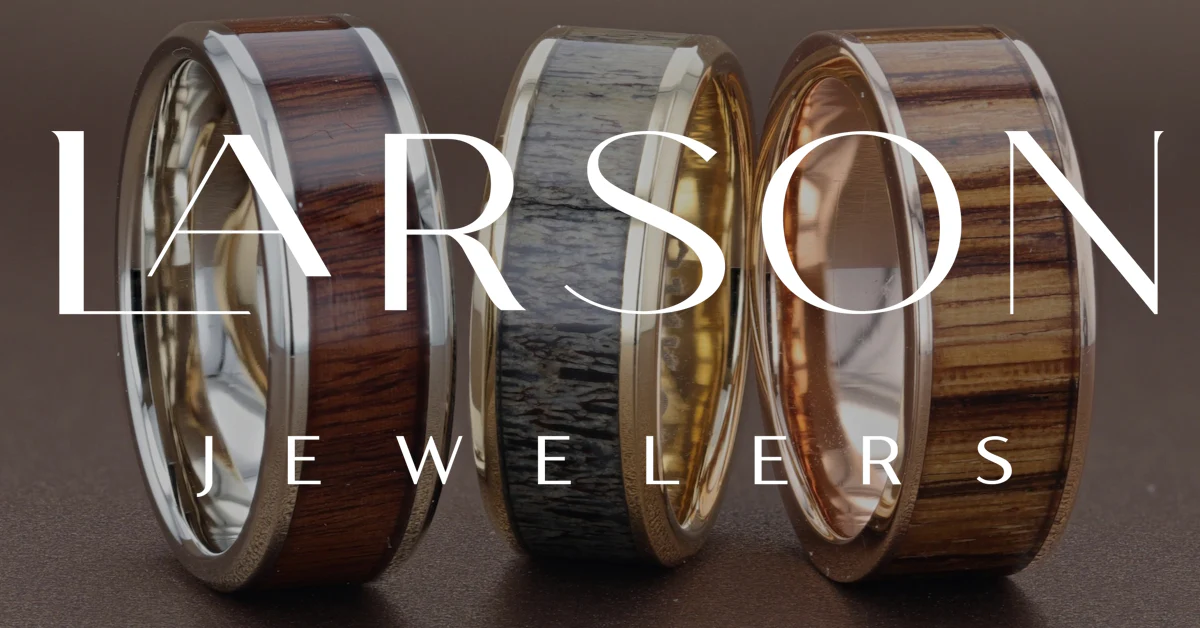
Modern craftsmanship made it possible to combine materials, colors, and textures in extraordinary ways. Inlays of wood, crushed stone, antler, carbon fiber, opal, meteorite, and even whiskey barrel oak have transformed wedding bands into wearable art.
Minimalists gravitate to brushed matte bands. Adventurers opt for rugged patterns inspired by nature. Tech enthusiasts choose carbon fiber. Traditionalists appreciate metals that mirror the appearance of white gold but with far greater resilience.
This freedom—once unavailable—has become central to why people are choosing alternative metals.
3. A More Comfortable Fit for Everyday Wear
Comfort fit designs, lightweight metals, and ergonomic shaping have made modern bands easy to wear from morning to night. Someone who never wore jewelry before can now find a ring that feels almost weightless.
4. Greater Personalization at Accessible Prices
The idea that a wedding band must be extremely expensive has faded. People now expect craftsmanship, authenticity, and long-term value—not necessarily high-priced luxury materials. Modern metals deliver this balance beautifully.
And as more couples seek rings that feel personal, not generic, customization has become a key factor in choosing where to shop.
Where Craftsmanship Meets Innovation
While many jewelers now offer alternative metals, only a handful specialize deeply in them. The difference is in the detail: precision manufacturing, design variety, comfort-fit expertise, reliable sizing, and materials that are engineered—not just shaped—to last.
This is why Larson Jewelers often appears in conversations among modern couples seeking quality without compromise. They became an early leader in tungsten carbide bands, later expanding into titanium, cobalt, ceramic, and dozens of hybrid materials. Their role wasn’t just offering these metals—it was elevating them, refining them, and turning them into the kind of premium, comfort-fit jewelry people now expect.
But what made them stand out was not merely the materials; it was the philosophy behind the craftsmanship.
The Rise of Tungsten: Strength with a Signature Look
Tungsten carbide changed the jewelry market because it combined permanence with character. Its weight feels substantial, its polish remains mirror-like, and its scratch resistance is unmatched.
This metal resonated with customers who wanted their ring to maintain its original appearance for decades, not years. The quiet confidence of a tungsten band—solid, minimal, unchanging—appealed to people seeking something symbolic of unbreakable stability.
Brands that specialize in tungsten, especially those with a broad catalog of styles and finishes, played a major role in introducing this metal to an audience who had never seen it before. Today, it’s one of the most requested materials for men’s wedding bands, and for good reason.
Titanium and Cobalt Chrome: Innovation in Comfort and Shine
Titanium quickly became a favorite for those who wanted a combination of strength and lightness. Professionals who use their hands, outdoor enthusiasts, and owners of active lifestyles appreciate how barely there a titanium ring feels.
Cobalt chrome, on the other hand, brings a bright, platinum-like luster with significantly improved hardness and scratch resistance. Its hypoallergenic properties have also made it a popular option for those sensitive to certain alloys.
What sets well-crafted versions of these metals apart is the precision with which they are shaped. A perfectly engineered band feels seamless on the finger, and the polish remains crisp without frequent maintenance.
Designs That Tell a Story Through Materials
One of the most compelling aspects of today’s wedding bands is how they integrate meaning directly into the design. Modern jewelers have embraced combinations that feel intimate and narrative-driven.
Wood Inlays
Many couples choose wood inlays to symbolize roots, history, and warmth. Maple, koa, sandalwood, and walnut each carry a different character.
Meteorite Bands
Gibeon meteorite patterns—naturally formed over millions of years—make every ring one-of-one. Their crystalline structure creates a pattern that can’t be replicated.
Carbon Fiber
Lightweight yet futuristic, carbon fiber appeals to those with an appreciation for sleek, technical design.
Opal and Crushed Stone
Bright, iridescent inlays evoke oceans, starlight, or geological formations. They are chosen for their beauty but also for their symbolism.
Ceramic and Black Zirconium
For wearers seeking a bold, modern edge, these materials offer sleek, deep black finishes that resist fading.
The art lies not just in combining materials, but in doing so with structural integrity—ensuring each inlay is protected, sealed, and built to withstand daily life. It’s here that expertise truly matters.
Customization Becomes a Central Part of the Experience
One of the biggest transformations in modern ring shopping is the ability to personalize almost every element of the design:
- Width
- Finish (matte, brushed, hammered, polished)
- Inlay materials
- Edge styles
- Interior engravings
- Profiles (flat, domed, beveled)
Instead of selecting from a narrow selection at a jewelry counter, buyers can now explore hundreds of variations and adjust nearly every detail to match their preferences. Jewelers specializing in this level of flexibility helped set expectations for the entire industry.
Custom engraving—whether personal messages, symbols, coordinates, or signatures—adds another layer of uniqueness that couples value deeply.
The Importance of Fit and Everyday Wearability
A wedding band is worn more consistently than almost any other item a person owns. For this reason, comfort has become non-negotiable.
Flat inner edges (common in older, low-cost rings) tend to press awkwardly against the skin. Modern comfort-fit bands use gently curved interior surfaces, reducing pressure points and allowing the ring to slide smoothly onto the finger.
Specialists in contemporary metals place significant emphasis on achieving this fit. Small differences in curvature or edge shaping create a meaningful difference in daily wear.
This is one reason many people gravitate toward brands known for precision engineering and consistent quality from one ring to the next.
When Craftsmanship Meets Meaningful Value
Traditional jewelry pricing has long been tied to the cost of precious metals. But modern buyers evaluate quality differently. They prioritize:
- Durability
- Comfort
- Design uniqueness
- Material integrity
- Personal expression
- Long-term value
Because of this, many discover that alternative metals offer extraordinary craftsmanship at accessible pricing without sacrificing longevity or beauty.
Brands that specialize in these materials often have deeper expertise than general jewelry retailers, allowing them to provide higher-quality construction, better finishing, and more sophisticated engineering.
This approach has reshaped expectations for what a wedding band can be.
The Experience of Finding the Perfect Ring
Choosing a wedding band today is far more experiential than transactional. People explore dozens of designs, materials, textures, and customization options before narrowing down their selection. They want to feel confident that what they choose reflects who they are—not just in the present moment, but for years ahead.
A well-curated selection helps immensely. This is where brands focused heavily on alternative metals, such as Larson Jewelers, have gained attention: shoppers can browse extensive collections that span sleek minimalism, bold statement pieces, hybrid material art, and classically inspired rings reinvented with modern metals.
This mix of artistry and engineering has broadened the possibilities for couples around the world.
Why Many Consider Modern Bands the Future of Wedding Jewelry
The evolution of wedding bands reflects deeper changes in culture. People want rings that:
- Align with their lifestyle
- Resist damage
- Offer visual personality
- Are crafted with care
- Feel comfortable day after day
- Represent something meaningful
- Can be customized
- Don’t rely solely on traditional metals
These expectations have propelled the rise of alternative materials and the jewelers who master them.
The shift isn’t a rejection of tradition. Instead, it is an expansion—an acknowledgment that today’s wearers deserve more options, more creativity, and more resonance in the objects chosen to represent one of life’s most meaningful commitments.
A New Standard for Modern Craftsmanship
Ultimately, what distinguishes leaders in this space is not just the materials they offer, but the philosophy behind their craft: quality without pretense, innovation rooted in durability, and design centered on real human expression.
Whether someone chooses tungsten for its strength, titanium for its comfort, cobalt chrome for its shine, or a hybrid design for its artistry, the modern wedding band has become an emblem of individuality.
For anyone exploring this world—whether for a wedding, an anniversary, or simply a personal upgrade—the collections at Larson Jewelers offer a window into what contemporary craftsmanship can achieve when innovation meets the timeless meaning of commitment.
What once felt limited now feels endless. The modern wedding band has arrived—and it reflects a future where style, durability, and personalization live in perfect harmony.